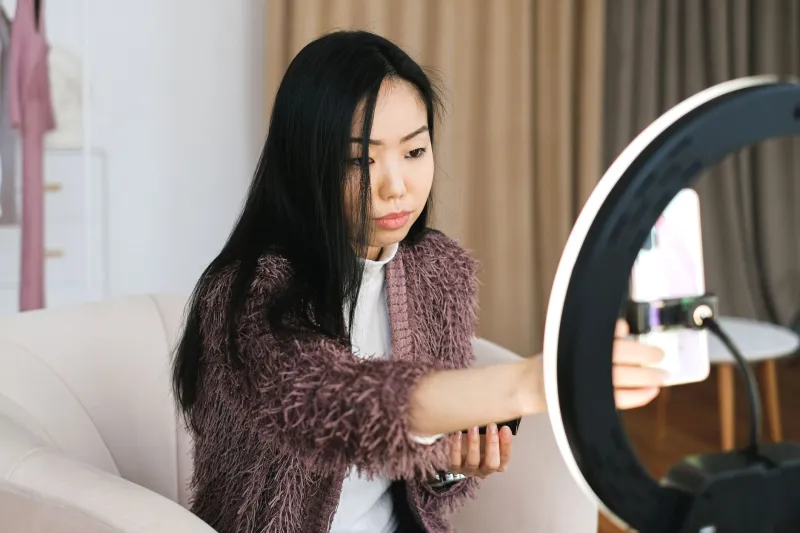
Nobody Wants Your Highlight Reel Anymore: The Quiet Revolt Against Flawless Influencers
Somewhere between the sixth sponsored post for a $300 linen set and the fourth "this is just how my hair looks in the morning" selfie featuring genuinely impossible cheekbones, something broke inside the American internet user. Not loudly. Not with a manifesto or a viral callout thread. Just quietly, decisively, and with the energy of someone finally throwing out a scented candle that never actually smelled good.
They hit unfollow.
And they are not alone.
The Perfection Fatigue Is Real and It Has a Name (Kind Of)
Let's be honest — we've all done it. You open Instagram or TikTok looking for a laugh, a recipe, or just something to stare at while you eat cereal over the sink. Instead, you get a person standing in a sun-drenched kitchen with a $14,000 range and a latte art situation that belongs in a museum, telling you this is their "simple weekday morning."
The brain, at this point, does something interesting. It doesn't get inspired. It gets annoyed.
Researchers have started calling this phenomenon "aspirational fatigue" — the psychological burnout that happens when you've consumed so much polished, idealized content that your brain stops producing dopamine and starts producing a low-grade resentment instead. Basically, your feed becomes a passive-aggressive slideshow of everything you're not doing, not buying, and not achieving. Fun!
And here's the kicker: audiences aren't just tuning out. They're actively migrating toward creators who do the opposite.
Enter the Beautifully Messy Creator
The accounts gaining serious traction right now — the ones with comment sections that feel like a group chat you actually want to be in — are the ones where things are visibly, gloriously imperfect.
We're talking about the food creator who drops half the dish on the counter and leaves it in the video. The lifestyle influencer who shows the pile of unfolded laundry in the background of their "home organization" content. The fitness person who admits, on camera, that they skipped the gym for two weeks and ate gas station sushi.
These creators aren't going viral by accident. They're winning because they've cracked something the polished crowd has forgotten: people don't want to watch a better version of life. They want to feel less alone in their current one.
There's a creator on TikTok — you've probably seen her content even if you don't follow her — who built a following of over a million people largely by filming herself attempting Pinterest projects and failing in spectacular, relatable ways. Her comment sections are basically a support group. "This is the most comforting thing I've ever watched" is practically a pinned comment template at this point.
The Paradox Nobody Warned the Influencers About
Here's where it gets philosophically weird, which is very on-brand for the internet in 2025.
Authenticity, it turns out, is incredibly hard to fake — and the more you try to manufacture it, the more people can smell it from three scrolls away. There's a whole genre of "relatable" content that is, in fact, deeply unrelatable because it's been focus-grouped into oblivion. The "I woke up like this" post that clearly took four hours to produce. The "no-makeup makeup" that requires twelve products. The "I'm just a normal person" energy from someone whose "normal" involves a team of three.
Audiences — particularly Gen Z and younger millennials — have developed what can only be described as a finely tuned authenticity radar. They've grown up watching influencer culture evolve from genuinely candid YouTube videos to a full-scale aspirational industrial complex, and they've learned to spot the difference between someone who's real and someone who's performing realness.
The irony is brutal: the more effort you put into looking effortless, the more effort everyone can see.
What This Means for the Creators Who Built Empires on the Grid
This shift is genuinely uncomfortable for a certain tier of influencer — the ones who spent years perfecting their aesthetic, building a brand around a particular elevated lifestyle, and training their audience to expect a very specific visual language from their content.
Because now their audiences are leaving. Slowly, without drama, but steadily. The engagement rates are dropping. The comments are getting thinner. The sponsored posts are getting less interaction. And the algorithm, that chaotic little gremlin, is showing their stuff to fewer people because fewer people are sticking around to watch.
Some of them are adapting. There's been a noticeable wave of "vulnerability pivots" — established creators who suddenly introduce their anxiety, their relationship struggles, or their financial stress into content that previously showed nothing but aspirational abundance. These pivots range from genuinely moving to deeply awkward, and audiences can usually tell which is which within about thirty seconds.
The ones who do it well? They were probably already a little messy underneath the filter, and it shows. The ones who do it badly? They announce their vulnerability the way someone announces they're being spontaneous — which is to say, it misses the point entirely.
What BijiBiji Thinks Is Actually Happening Here
Here at BijiBiji, where we genuinely celebrate the weird, the wonderful, and the very much unpolished, we think this trend is pointing at something bigger than just influencer strategy.
People are rebuilding their relationship with online content around community and recognition rather than aspiration and comparison. They don't want to look at someone else's life and feel like they're watching a commercial for a version of themselves they'll never be. They want to look at a screen and feel that little electric jolt of oh, that's me — the digital equivalent of making eye contact with someone across the room at a party and knowing you're both thinking the same thing.
That's what the messy creators are selling. Not a lifestyle. A feeling of being found.
And it turns out? That's worth way more than a perfectly staged flat lay of artisanal coffee beans.
The Unfollow as a Love Language
So the next time you quietly hit unfollow on someone whose life looks too good to be true, know that you're not being cynical. You're being honest with yourself about what you actually want from the internet — and you're part of a massive, mostly silent, entirely powerful shift in how audiences decide who deserves their attention.
The perfect people aren't going anywhere. But neither are the rest of us — the ones with the messy kitchens and the abandoned hobby supplies and the group chats that are just people sending each other the same meme six hours apart.
And honestly? We're doing just fine.