They Changed Everything and Left You Grieving in the Comments: The Messy Truth About Creator Pivots
It started innocuously enough. You'd been following this person for two years. You knew their dog's name. You knew their coffee order. You had watched approximately 400 videos of them thrift-flipping vintage denim in a cheerfully cluttered apartment while a lo-fi playlist hummed in the background. Life was good. The algorithm was your friend.
Then one Tuesday — without so much as a farewell tour — the blazer appeared.
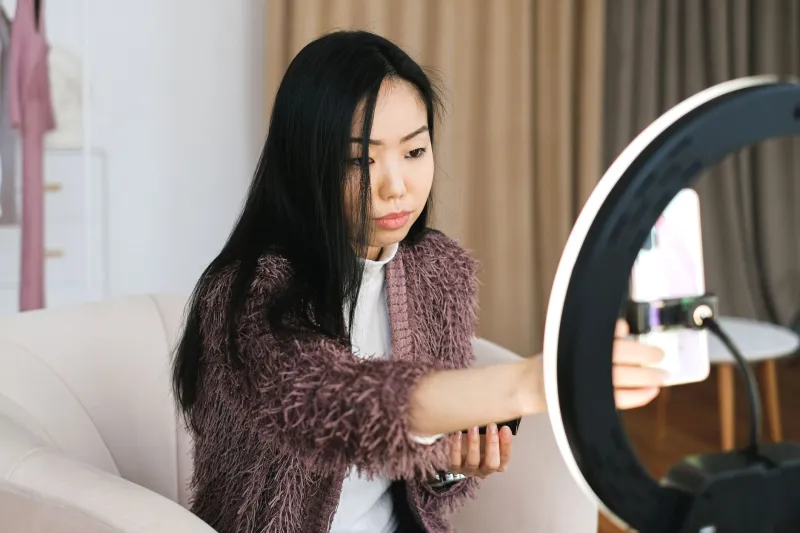
Suddenly your beloved thrift-flip guru is standing in front of a ring light, talking about "scaling your personal brand" and "passive income streams" with the energy of someone who just attended their first LinkedIn networking event and absolutely loved it. The denim is gone. The clutter is gone. The DOG is suspiciously absent. And you are left staring at your phone like someone just rearranged all the furniture in your childhood home.
Welcome to the Great Pivot. Population: every creator who ever chased a trend, burned out on their niche, or just... grew up a little.
Why Creators Pivot (Hint: It's Not Betrayal, Even Though It Feels Like It)
Here's the uncomfortable truth that the comment section refuses to accept: creators are people. Actual, living, evolving humans who are also somehow supposed to produce content on a schedule that would make a factory worker weep.
Burnout is the number one driver of the dramatic pivot. Spending three years making the same style of video — however beloved — is the creative equivalent of eating the same lunch every single day. Eventually, something breaks. Either the creator quits entirely, or they blow up their format like a controlled demolition and rebuild from scratch.
There's also the money conversation, which nobody wants to have but everybody needs to. The cottage-core aesthetic might have 200,000 devoted fans, but if the brand deals aren't coming in and the Patreon is barely covering rent, a pivot toward something more monetizable isn't a moral failing. It's survival. The creator economy is brutal in ways that casual viewers rarely see — and the pressure to constantly evolve (or die on the algorithm) is real, relentless, and genuinely exhausting.
And then, sometimes, creators just... change. Because people change. Because a 24-year-old who built an audience around dorm-room cooking tutorials might have different interests at 28. Revolutionary concept.
The Parasocial Problem: Why It Feels So Personal
Here's where it gets psychologically spicy.
Parasocial relationships — the one-sided emotional bonds we form with creators, celebrities, and fictional characters — are a completely normal feature of the human brain. Your mind processes consistent exposure to someone's face, voice, and personal anecdotes the same way it begins processing a real friendship. The intimacy feels genuine because, neurologically, the experience of watching someone is not that different from knowing them.
So when your favorite creator pivots, it doesn't just feel like a content shift. It feels like a friend changed on you. Like someone you trusted decided to become someone else entirely without consulting you first.
The grief is real, even if it's also a little absurd. Comments like "I don't even recognize you anymore" and "this isn't the person I subscribed to" are, under the surface, expressions of genuine loss — the loss of a routine, a comfort, a relationship that was always imaginary but never felt that way.
The creator, meanwhile, is usually baffled. They didn't leave anyone. They just made a different video.
The Pivot Hall of Fame (And Shame)
Not all pivots are created equal. Some are masterclasses in audience management. Others are cautionary tales that get dissected in YouTube essay videos for years afterward.
The successful pivot usually involves transparency. Creators who bring their audience along for the reinvention — who say "hey, I'm going through something, I'm changing, here's why" — tend to retain a loyal core even as casual followers drift away. The audience feels respected. They were told the story instead of just waking up to a stranger's channel.
The chaotic pivot, on the other hand, involves zero communication, a sudden aesthetic overhaul, and sometimes a mysterious new "business partner" who appears in every video wearing the same shade of promotional fleece. These creators often see dramatic drops in engagement, not because audiences hate change, but because they hate feeling like they missed a memo that everyone else apparently received.
The influencer-to-life-coach pipeline deserves its own mention here. It is, at this point, practically a genre. Someone builds a following around a specific skill or aesthetic, hits a rough patch or a revenue ceiling, and emerges six months later offering a $997 course on "authentic living." The audience's confusion is always the same. The comment sections are always hilarious.
How to Watch a Pivot Without Losing Your Mind
If you find yourself in the comments typing "what happened to the old you," here are some gentle suggestions from your friends at BijiBiji:
Give it three videos. One pivot video is a surprise. Two might be a pattern. Three tells you whether this is a permanent evolution or a momentary experiment. Don't rage-unsubscribe after a single blazer sighting.
Ask yourself what you actually liked. Was it the thrift-flipping specifically, or was it the creator's sense of humor and the warm, low-stakes energy they brought to everything? If it's the latter, that might survive the pivot intact. The vibe sometimes travels.
Unsubscribing is okay. Genuinely. You don't owe anyone your viewership. If a creator has moved into territory that doesn't serve you anymore, quietly clicking away is not a betrayal. It's just two people going different directions. It's fine.
Remember the archive exists. The old videos aren't going anywhere. Your thrift-flip era is preserved. You can revisit it whenever you need it. The internet, for all its chaos, is surprisingly good at keeping receipts of the things we loved.
The Real Question Underneath All of This
Maybe what creator pivots actually surface — beneath the algorithm drama and the comment section grief — is something more interesting about what we want from the people we follow online.
We want consistency, but we also want authenticity. We want creators to be real people, but we also want them to stay exactly the same forever. We want them to grow, but only in directions we've pre-approved.
That's a genuinely impossible ask. And the sooner we make peace with it, the less betrayed we'll feel when the next person we love shows up one day in a blazer, holding a ring light, ready to teach us about passive income.
The dog will come back eventually. They always bring back the dog.