Glorious Chaos: How the Internet's Messiest Creators Are Winning the Authenticity Wars
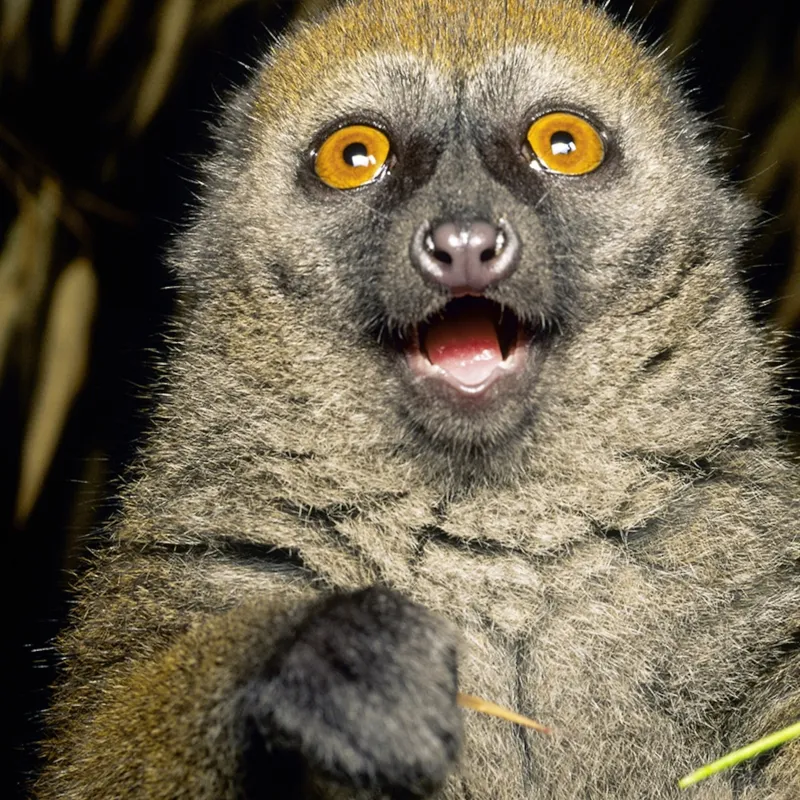
Photo: funny content creator messy desk laughing at camera with ring light, via i.natgeofe.com
There's a particular kind of magic that happens when someone goes live on TikTok, immediately knocks over their entire cup of coffee, laughs so hard they snort, and then just... keeps going. No edit. No cut. No carefully orchestrated "oops" moment designed by a brand strategy team in a WeHo co-working space. Just pure, beautiful human disaster — and somehow, that's the video that hits three million views.
Welcome to the era of the Chaotic Good creator. And honestly? It's about time.
The Polished Influencer Is Having a Moment (of Crisis)
For years, the influencer playbook read like a very expensive instruction manual. Step one: acquire ring light. Step two: learn the VSCO filter that makes your skin look like warm caramel. Step three: post aspirational content about your "morning routine" that begins at 5 AM and involves a $47 adaptogenic mushroom latte. Step four: collect brand deals. Repeat forever, or until you burn out spectacularly.
And burn out they did. Audiences started catching on — not just to the ads, but to the performance of it all. There's a reason "Instagram vs. Reality" became its own entire content genre. People didn't just want to see the highlight reel anymore. They wanted to see the blooper reel. Preferably unedited, with bad lighting and someone's cat walking across the keyboard at the worst possible moment.
Enter the Chaotic Good creator: someone who has weaponized their own weirdness and turned it into a genuine connection with their audience.
Meet the Mess-Makers
Take creators like Cody Ko and Noel Miller, whose podcast "Tiny Meat Gang" built a devoted following less on production value and more on the very specific energy of two guys who clearly find each other genuinely hilarious. Or consider the explosion of "failing on purpose" content — entire channels dedicated to attempting complicated recipes badly, speedrunning video games with maximum incompetence, or trying to learn a musical instrument in real time, every excruciating wrong note included.
Then there's the phenomenon of the "unhinged niche" creator. We're talking about the person who has built a 200,000-follower account exclusively around reviewing gas station sushi with the seriousness of a Michelin-starred food critic. Or the TikToker who started posting intentionally terrible green-screen travel content and now gets flown out by tourism boards who want in on the joke.
"I tried being 'professional' for about six weeks," one emerging creator told us, who runs a channel dedicated to what she calls 'extremely specific historical grievances' — essentially, very passionate rants about minor injustices from centuries ago. "The videos where I was calm and organized got like 400 views. The one where I went full unhinged about the Butter Battle of 1880s Wisconsin dairy farmers got picked up by three different subreddits and crashed my account. I stopped trying to be professional immediately."
That's not an accident. That's a strategy, even if it looks like the opposite of one.
The Science of Why We Love Watching People Be Wonderfully Weird
Psychologists who study parasocial relationships — the one-sided emotional bonds audiences form with creators — have noted something interesting: perceived authenticity is wildly more valuable than perceived perfection. When someone seems real, flawed, and genuinely themselves, our brains register them as trustworthy in a way that no amount of aesthetic cohesion can manufacture.
There's also something deeply communal about shared weirdness. When a creator leans into something genuinely odd about themselves — their obsessive knowledge of 1970s game show trivia, their inexplicable hatred of the word "moist," their habit of narrating their grocery shopping in the style of a nature documentary — they're essentially sending out a signal flare: Is there anyone else out there like this?
And the answer, almost always, is: yes. Thousands of them. And they will find each other in the comment section and form a little weird family, and that family will become the creator's most loyal, most vocal, most ride-or-die fanbase imaginable.
This is the BijiBiji thesis in action, honestly. Weird collides with wonderful, and suddenly you've got a community.
The Anti-Aesthetic Is Its Own Aesthetic
Here's the twist that makes the whole thing delightfully complicated: being chaotic is, at this point, also a brand choice. The bad lighting is chosen. The unedited stumbles are kept in deliberately. The intentionally terrible thumbnail is designed to look accidentally terrible.
Does that make it fake? Not really — or at least, not any faker than the polished alternative. What it does is create a different kind of curation: instead of curating an aspirational life, these creators are curating an energy. A vibe. A specific flavor of human that their audience wants to hang out with for fifteen minutes while eating cereal at 11 PM on a Tuesday.
The most successful Chaotic Good creators understand the difference between performing chaos and channeling genuine personality. The ones who try to manufacture messiness from scratch usually get found out fast. Audiences have remarkably sensitive radar for when someone is pretending to be weird versus when someone just genuinely is.
So What Does This Mean for the Creator Economy?
Brand deals are getting weirder, for one thing. Companies that used to demand polished, on-script integrations are increasingly approaching chaotic creators specifically because of their energy. The sponsored segment that goes slightly off the rails and becomes its own meme is often more valuable than thirty seconds of pristine product placement.
It also means the barrier to entry for content creation has quietly lowered itself to the ground. You don't need a professional camera setup, a content calendar, or a brand kit. You need a phone, a genuine personality, and the courage to let people see the parts of yourself that you used to think were too weird to share.
Spoiler: those parts are exactly what people are looking for.
The Takeaway (If You Can Call It That)
The Chaotic Good creator movement isn't anti-professionalism, exactly. It's anti-performance. It's a collective exhale from an internet that spent years holding its stomach in for the camera. And it's a reminder that the things that make you strange — your specific obsessions, your particular flavor of humor, your genuinely unhinged takes on things nobody else is talking about — aren't liabilities.
They're your whole entire brand.
So go knock over that coffee. Leave the blooper in. Post the video where your dog walks through your shot at the worst possible moment and refuses to leave. The right people will find you, and they will absolutely lose their minds over it.
The chaos, as it turns out, was the content all along.